Smart buildings are a key element in the development of modern cities. In Terrassa, this approach takes shape through the Terrassa Smart Buildings project, which integrates IoT technology to collect and manage valuable data for the city.
The Role of Buildings in a Smart City
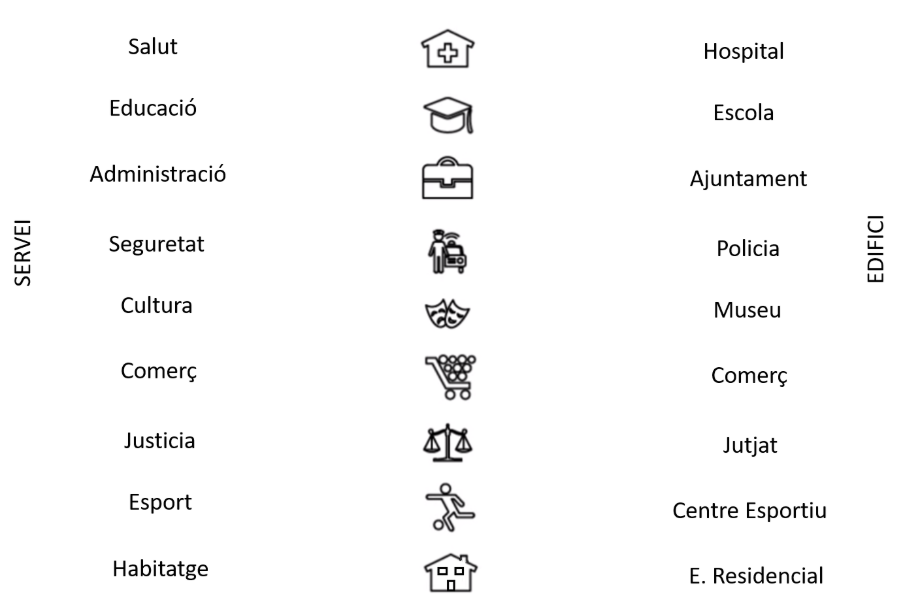
A smart city relies on data to improve services, optimize resources, and enhance citizens’ well-being.
Within this ecosystem, buildings play a fundamental role, as they are spaces where much of daily activity takes place, many public services are delivered, and valuable information about their operation is generated.
How Does the System Work?
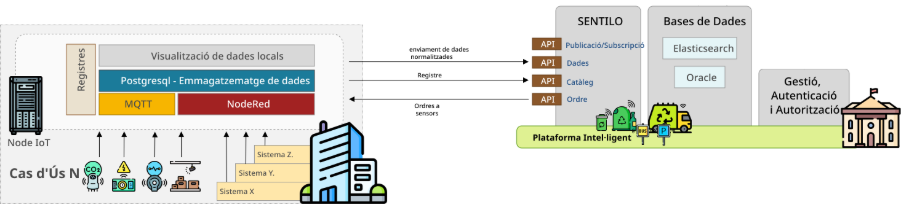
The system is based on several interconnected technological layers:
Data Collection
IoT sensors installed in buildings gather information about different parameters, including:
- Energy consumption
- Air quality
- Noise levels
- Environmental conditions
- Space occupancy
- …
Data Processing and Integration
The collected data is managed by IoT Node devices, which transform it into a common format and send it to the municipal sensor platform (Sentilo).
Information Centralization
The data is consolidated within the city platform, where it can be used by different systems and applications.
Visualization and Services
From this data, the following are generated:
- Real-time alerts
- Dashboards
- Reports and analytics
- Environmental quality maps
What Can Be Done with This Data?
The project is implemented through various use cases, including:
- CU01 – Analytical Management and Consumption of Essential Services
- CU02 – Noise Pollution Monitoring
- CU03 – Noise Prevention in Healthcare Facilities
- CU04 – Night Sky Brightness and Light Quality Monitoring
- CU05 – Guidance for Citizens with Visual Impairments in Public Facilities
- CU06 – Integration and Visualization of Public Transport Data
- CU07 – Indoor Air Quality Monitoring
- CU08 – Structural Health and Seismic Monitoring
- CU09 – Collaborative Management of Municipal Facilities
- CU10 – Forest Fire Surveillance, Detection and Monitoring
- CU11 – Health and Safety Monitoring for Older People at Home
- CU12 – Electric Vehicles
- CU13 – Photovoltaic Panels
- CU14 – Outdoor Weather and Air Quality Monitoring
- CU15 – Information Displays for the Municipal Library Network
These use cases transform data into useful services for both citizens and municipal management.
Benefits for the City
The availability of real-time information makes it possible to:
- Improve decision-making
- Optimize resource consumption
- Detect incidents early
- Increase sustainability
- Enhance quality of life
Towards a Smarter City
Smart buildings are an essential component in building a connected, efficient, and people-centered city.
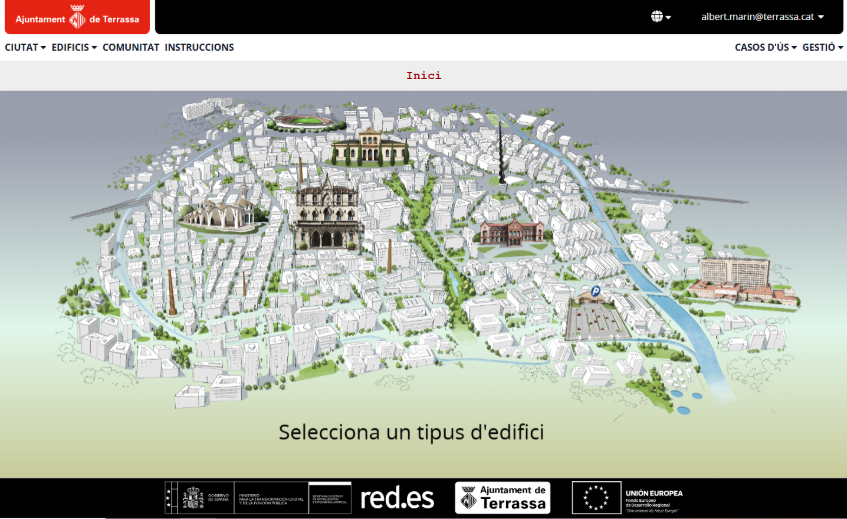
Through initiatives such as this, Terrassa continues to advance its digital city model, putting technology at the service of its citizens.
0 Comments